
- Leave a review
- Bookmark
- Share
- Report
- prev
- next
Description
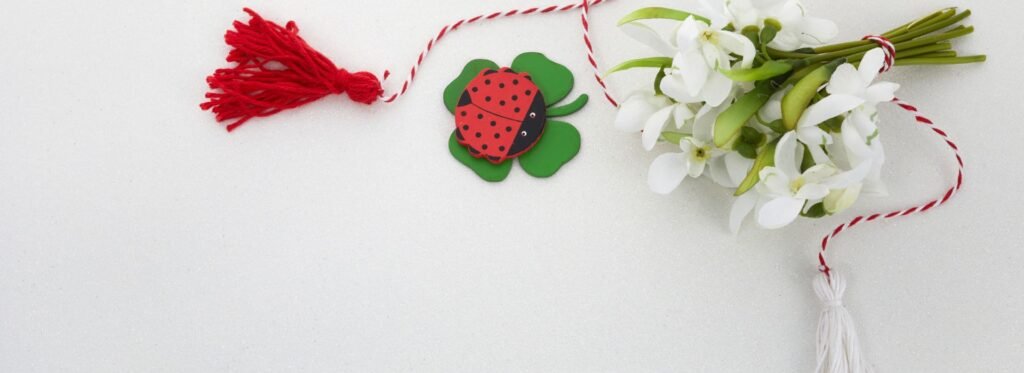
International Mărțișor – March 1 is the ultimate celebration of renewal. It is more than just a date on the calendar; it is a heartbeat of tradition. At its core, Mărțișor is a celebration of the victory of light over darkness. You celebrate it on the first day of March. It marks the transition from the harsh, cold winter to the blooming warmth of spring.
History
There is also A Historical Connection to the broader Balkan region. While Romania is the heart of the tradition, you will find similar customs in Bulgaria (Martenitsa), Moldova, and Greece.
In Romania, the holiday also brushes against a major political milestone: The Independence of Romania. While Mărțișor is a folk tradition, March remains a month of national pride. Celebrating the rebirth of nature often mirrors the celebration of a nation's sovereignty and spirit.
Why do we use red and white? You will love these stories. They add a layer of magic to International Mărțișor – March 1.
Once upon a time, the Sun came down to Earth as a beautiful woman. A cruel dragon kidnapped her and locked her in a dungeon. The world fell into darkness.
A brave young man fought the dragon for months. He finally won and freed the Sun, but he was badly wounded. His warm blood spilled onto the white snow. Where the snow melted, snowdrops grew. This is why you wear red for blood and white for snow.
Baba Dochia is a famous figure in Romanian folklore. She was a harsh old woman. She wore twelve sheepskin coats and drove her flock up the mountain.
As she climbed, the sun came out, and she threw off her coats one by one. But then, the frost returned. She froze, turning into stone. You celebrate Mărțișor to ward off Dochia's lingering cold and welcome the warmth.
How To Celebrate
1: The Presentation
You should give the Mărțișor on the morning of March 1. Usually, men give them to women. However, in some regions like Moldova, women give them to men! It is all about the gesture.
2: Wearing the Token
You wear the Mărțișor on your left side, close to your heart. You keep it on for the whole month of March or until you see the first blossoming tree or a returning stork.
3: The Final Ritual
Don't just throw it away! When you see a flowering tree, take the Mărțișor off and hang it on a branch. Make a wish. It is believed your wish will come true as the tree grows.
Amazing Facts
-
UNESCO Heritage: In 2017, the tradition was added to the UNESCO Intangible Cultural Heritage list. It is officially a world treasure!
-
The "Babele" Tradition: People pick a day between March 1 and March 9 as their "Baba." If the weather is nice on your day, you will have a lucky year.
-
Not Just for Humans: Some people tie the red and white strings to their front doors to protect their homes.
-
Ancient Calendar: Before the modern calendar, the year began in March. This makes Mărțișor an "Old New Year" celebration.
How to Observe
1. Cultural Preservation & Identity
Celebrating Mărțișor is a way for you to stay connected to ancient roots. It acts as a bridge between the past and the present. By wearing the string, you honor thousands of years of Balkan history and keep the "spirit of the ancestors" alive in a modern, digital world.
2. A Universal Symbol of Hope
Psychologically, The Start of Mărțișor provides a necessary mental shift. After a long, dark winter, you need a visual reminder that life returns. The white represents the fading snow, and the red represents the returning sun. It teaches you that no matter how hard the "winter" of life is, spring is inevitable.
3. Protection and Luck
Historically, the importance was also spiritual. People believed the string protected them from "the evil eye" or bad luck. Even today, many believe that tying the string to a tree at the end of the month ensures a "fruitful" and prosperous year ahead.
Faq's
Event starts in
-
337
Days -
13
Hours -
39
Minutes


Add a review