
- Leave a review
- Bookmark
- Share
- Report
- prev
- next
Description
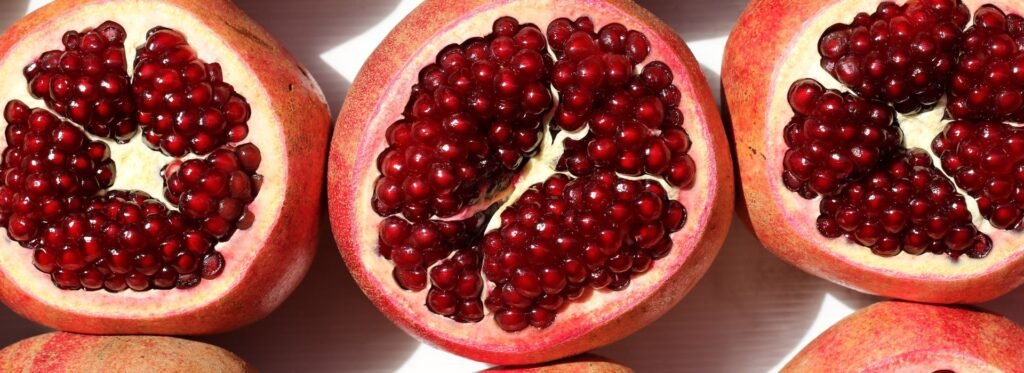
National Pomegranate Month, observed in November, celebrates this unique, nutritious, and versatile fruit. Known for their vibrant red seeds and sweet-tart flavor, pomegranates are rich in antioxidants, vitamins, and other health-promoting compounds. During this month, health advocates, food enthusiasts, and culinary professionals often emphasize pomegranate's health benefits and versatile culinary uses. It's a popular time for recipes, cooking demonstrations, and educational events aimed at highlighting how pomegranates can be incorporated into meals, beverages, and desserts.
History
The pomegranate plant (Punica granatum) is native to a region that spans modern-day Iran and northern India. This fruit has been cultivated for thousands of years across the Middle East, South Asia, and the Mediterranean. Additionally, it has found a suitable growing environment in California's Central Valley and Arizona, where it was introduced by Spanish settlers. Pomegranates are among the first fruit plants to be domesticated in the eastern Mediterranean, with evidence of cultivation dating back to approximately 5000 B.C.
How To Celebrate
People celebrate National Pomegranate Month in various ways, often focusing on the fruit's health benefits, culinary uses, and cultural significance. Here are some common ways individuals and communities observe this month:
1. Culinary Celebrations
- Cooking Classes and Workshops: Many communities offer cooking classes that focus on using pomegranates in different recipes, from salads to desserts.
- Recipe Sharing: Social media platforms are flooded with recipes featuring pomegranates, encouraging people to share their favorite ways to enjoy the fruit.
- Pomegranate Tasting Events: Some local markets and restaurants hold tastings where people can sample dishes made with pomegranates or try different varieties of pomegranate juice.
2. Health Awareness Campaigns
- Nutritional Workshops: Health organizations may host workshops or webinars discussing the health benefits of pomegranates, such as their antioxidant properties and potential heart health benefits.
- Social Media Campaigns: Many use hashtags related to National Pomegranate Month to raise awareness about the fruit's health benefits, encouraging followers to incorporate it into their diets.
3. Cultural Events
- Cultural Festivals: Some communities hold festivals celebrating the pomegranate’s cultural significance, featuring traditional music, dance, and art inspired by the fruit.
- Educational Programs: Schools and community centers may organize educational programs focusing on the history and cultural importance of pomegranates across various civilizations.
4. Gardening and Sustainability Initiatives
- Planting Pomegranate Trees: Gardening clubs and organizations may encourage members to plant pomegranate trees, promoting sustainable practices and local agriculture.
- Workshops on Growing Pomegranates: Some gardening centers offer workshops on how to grow and care for pomegranate plants, sharing tips for success in home gardens.
5. Art and Creativity
- Art Exhibitions: Artists may create works inspired by the pomegranate, showcasing its beauty through various art forms, such as painting, sculpture, and photography.
- Crafting Activities: Families and children might engage in crafting activities that incorporate pomegranate motifs, such as making decorations or cards.
6. Community Engagement
- Farmers' Markets: Farmers' markets often highlight pomegranates during November, with stalls dedicated to selling fresh pomegranates, juices, and pomegranate-based products.
- Community Potlucks: Communities may host potlucks where participants bring dishes featuring pomegranates, fostering a sense of community and shared celebration.
Amazing Facts
Here are some amazing facts about National Pomegranate Month:
- Ancient Roots: Pomegranates have been cultivated for over 5,000 years and are one of the earliest fruits to be domesticated, particularly in the regions of the Middle East and South Asia.
- Symbol of Life: The pomegranate is often considered a symbol of fertility, abundance, and life in many cultures, appearing in mythology, art, and religious texts across various civilizations.
- Health Benefits: Pomegranates are packed with antioxidants, vitamins (especially vitamin C), and minerals. They are known to support heart health, reduce inflammation, and may have anti-cancer properties.
- Culinary Versatility: Pomegranates can be used in a wide range of culinary applications, from salads and desserts to juices and marinades, making them a favorite ingredient in both sweet and savory dishes.
- Nutritious Seeds: The edible seeds, or arils, of the pomegranate are not only delicious but also rich in fiber and nutrients. A typical pomegranate contains about 600 seeds!
- Festivals and Celebrations: Many cultures have festivals dedicated to pomegranates, such as the Persian festival of Shahrivar, celebrating the harvest and its importance in agriculture.
- Historical Significance: The fruit has been found in ancient Egyptian tombs, symbolizing prosperity and eternity. It was often placed in tombs as a gift for the afterlife.
- Culinary Traditions: In some cultures, pomegranates are traditionally eaten during the New Year to symbolize good fortune and prosperity for the year ahead.
- Varietal Diversity: There are numerous pomegranate varieties worldwide, each with distinct flavors, colors, and sizes. Some are sweet, while others are tart, making them suitable for different culinary uses.
- Modern Recognition: The establishment of National Pomegranate Month in November highlights the fruit's significance in contemporary health and wellness discussions, as it gains popularity as a superfood.
Why We Love
People love pomegranates for several reasons:
- Delicious Flavor: Pomegranates have a unique sweet-tart taste that adds a refreshing burst to both sweet and savory dishes, making them a versatile ingredient in various cuisines.
- Nutritional Benefits: They are rich in vitamins (like C and K), antioxidants, and fiber, which contribute to numerous health benefits, including improved heart health, anti-inflammatory properties, and potential cancer-fighting effects.
- Visual Appeal: The vibrant red seeds, or arils, and the striking exterior of the pomegranate make it an attractive fruit, often used as a garnish or in festive presentations.
- Cultural Significance: Pomegranates have deep cultural and historical roots, symbolizing fertility, abundance, and prosperity in many cultures, which enhances their appeal.
- Culinary Versatility: They can be used in various ways, from fresh salads and desserts to juices, sauces, and marinades, making them popular in both home cooking and fine dining.
- Seasonal Availability: Pomegranates are typically in season in the fall and winter, aligning perfectly with holiday celebrations and meals, making them a seasonal favorite.
- Easy to Enjoy: Pomegranate arils are convenient to eat on their own as a snack or to sprinkle over dishes for added texture and flavor.
- Health Trends: With the rise of health-conscious eating, pomegranates have gained popularity as a superfood, appealing to those looking to enhance their diets with nutritious options.


Add a review